
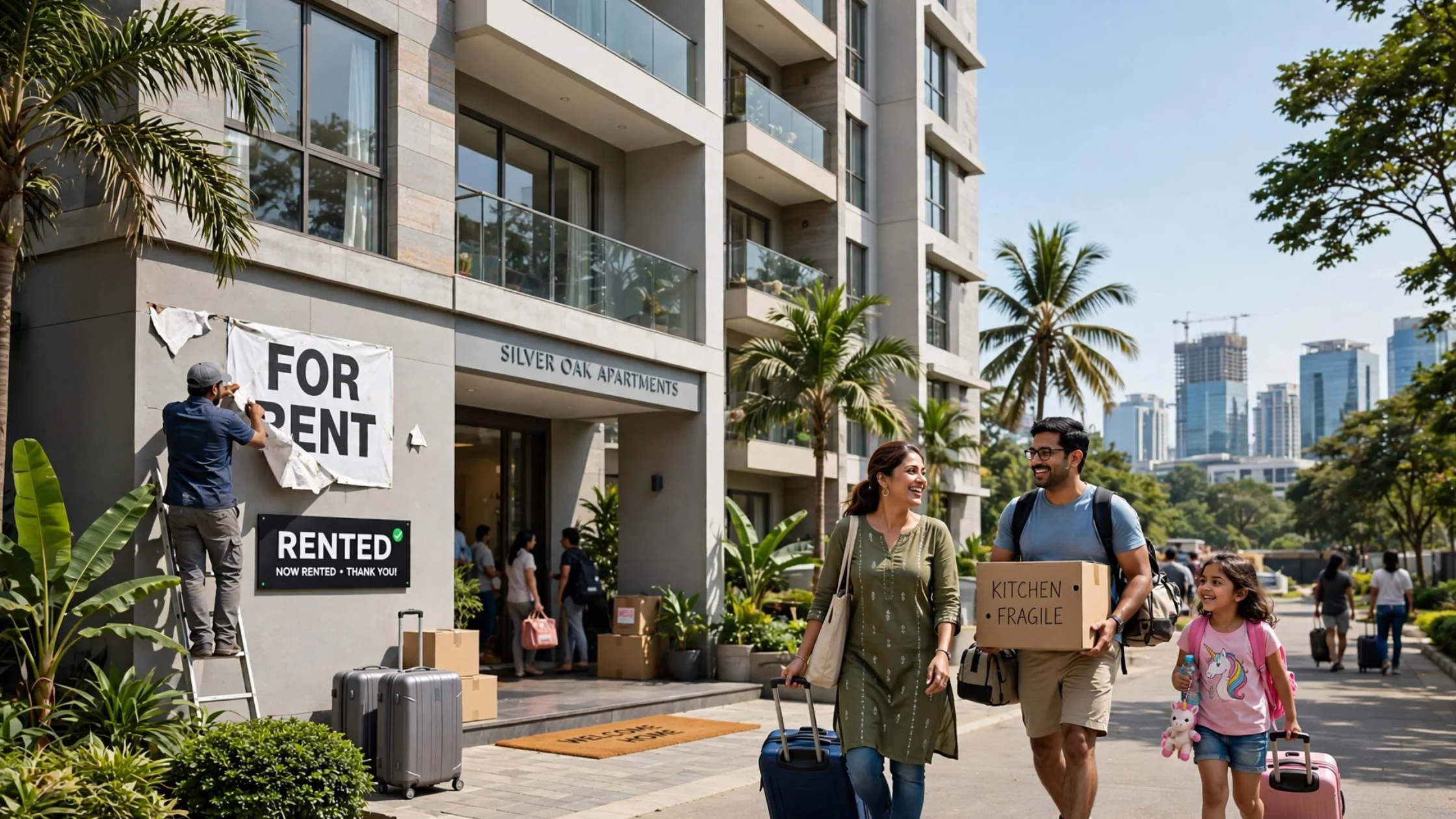
A flat in a good-looking project off Hosur Road sat empty for five months last year. Two kilometres away, a plainer building near an office park had tenants queuing before the previous ones moved out. Nothing about the buildings explained it. The difference was who worked within twenty minutes, and that’s the whole logic behind picking rental income areas in Bangalore properly. Naverah Assets helps buyers look beyond appearances and focus on the locations, connectivity, employment hubs, and tenant demand that can influence rental performance. Yield here is rarely spectacular. What good areas give you instead is reliability: shorter vacancies, tenants who renew, and rent that keeps pace with the market. This piece looks at where that reliability sits today, what the numbers realistically look like, and which choices actually raise what lands in your account. With guidance from Naverah Assets, investors can assess Bangalore’s rental markets with a clearer view of both current demand and long-term potential.
Employment within a short commute does most of the work. Tech parks, hospitals, colleges and manufacturing clusters all generate tenants, but tech employment dominates because those tenants pay more and move often.
Two secondary factors matter more than people expect. The first is transport, particularly metro access, which widens your tenant pool beyond people who own cars. The second is everyday convenience: a supermarket, a clinic, food options and a safe walk to the gate at night. Tenants in Bangalore compare on these before they compare on floor area.
Then there’s supply. If three large projects hand over near you within a year, your rent gets tested immediately. Rental Demand Locations Bangalore landlords do best in usually combine strong employment with limited new construction, and that combination is rarer than it sounds. The best areas for rental income are often the ones with no land left to build on.
Gross yields on residential property across the city have generally sat in the low single digits, roughly 2.5 to 3.5 percent, with some pockets above and plenty below. Net yield is what matters, and it’s lower once you deduct:
• Society maintenance, usually charged per square foot
• Property tax
• Vacancy between tenants, realistically a few weeks each cycle
• Repainting, repairs and appliance replacement
• Brokerage on every new letting
Rental income is also taxable, and TDS obligations can apply above certain rent thresholds, so check the current rules with a qualified tax professional before assuming a net figure. Any Bangalore Rental Investment pitch quoting a headline gross yield without these deductions is describing half the picture.
This is the densest employment cluster in the city, and it shows in how quickly units let. Tenant replacement is fast, rents are comparatively strong, and the profile ranges from young professionals sharing 3 BHKs to families in gated projects. The catch is supply. Thousands of units compete here, so a poorly maintained or badly located flat still struggles.
HSR and Koramangala attract startup employees and consultants who value proximity to offices and social infrastructure, and they pay for it. Sarjapur Road serves families working east and south. A well-kept rental property Bangalore tenants find in these pockets rarely stays vacant long, though entry prices are high enough that yields look modest on paper.
The northern corridor draws tenants from business parks, aerospace and airport-linked employment, plus a steady flow of professionals who want easier travel access. Rents have firmed up over recent years, and social infrastructure has caught up in the core pockets. This is one of the more balanced rental income areas in Bangalore for buyers who also want capital growth.
Entry prices are lower and the story is longer. Rental demand exists but is thinner, and vacancy periods run longer than in the east. Treat this as an appreciation play with some rental support rather than an income-first purchase.
Electronic City has a large, stable tenant base from established IT employers, and the elevated expressway keeps its commute predictable. Yields tend to hold up because entry prices are moderate relative to rents, which is exactly the combination a High Yield Property Bangalore investor looks for.
Kanakapura Road and Bannerghatta Road benefit from metro access and appeal to families and mid-income tenants, with lower rents but steady occupancy. Central pockets like Indiranagar and Richmond Town command premium rents from a smaller tenant pool, yet they rank among the weakest rental income areas in Bangalore on pure yield, because capital values are so high.
| Area | Typical tenant | Yield tendency | Vacancy risk |
|---|---|---|---|
| Whitefield / ORR east | Tech professionals, families | Moderate | Low, but supply-heavy |
| HSR / Koramangala | Startup employees, consultants | Lower | Very low |
| Sarjapur Road | Families, dual-income households | Moderate | Low to moderate |
| Hebbal / Yelahanka | Business park, airport-linked | Moderate | Moderate |
| Electronic City | Established IT workforce | Higher | Low |
| Devanahalli belt | Limited, project-dependent | Lower | High |
Treat the yield column as a tendency, not a promise. Two flats in the same area can differ by a wide margin depending on age, maintenance, furnishing and how the owner priced it.
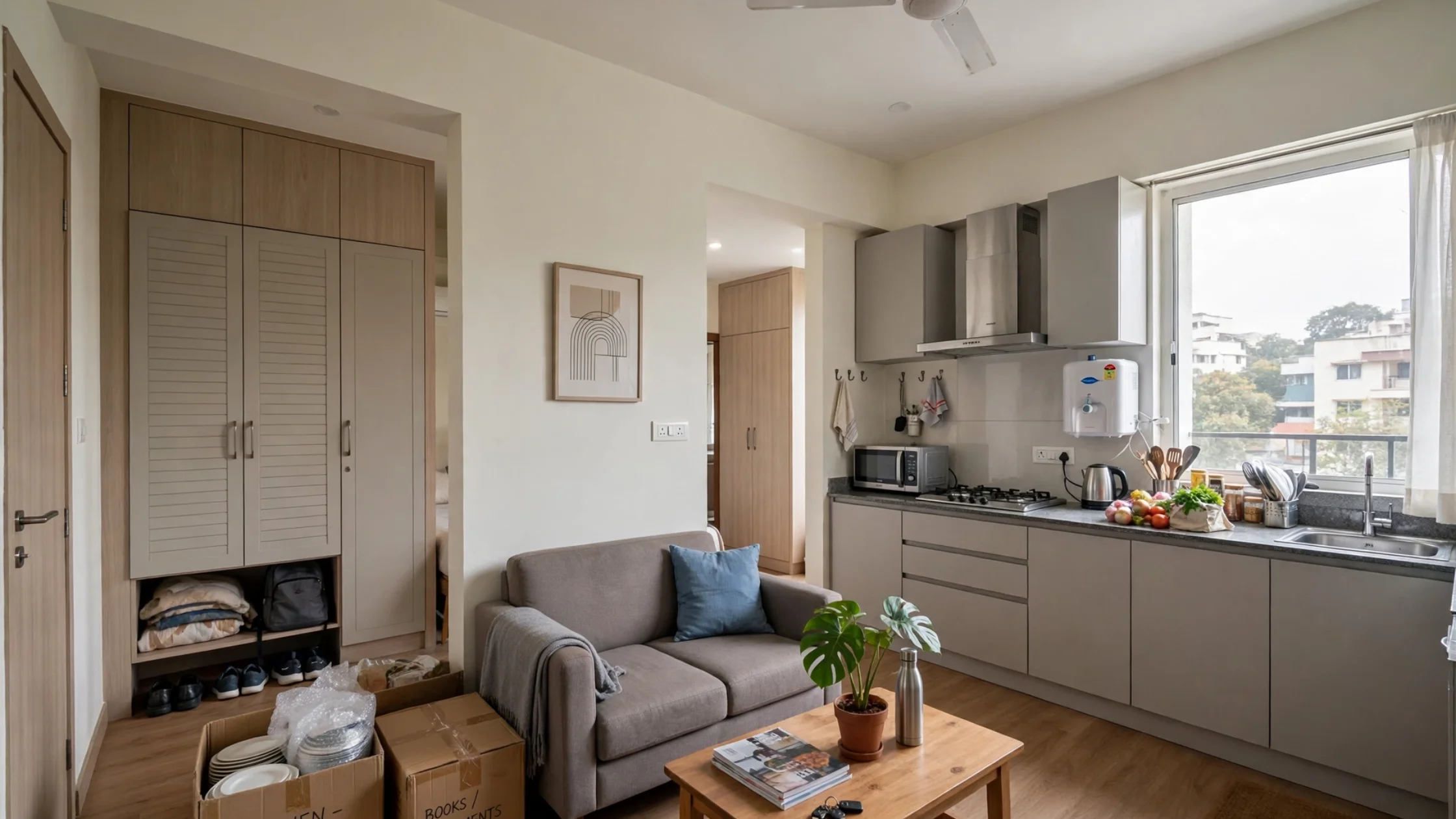
Once you’ve narrowed the rental income areas in Bangalore that fit your budget, size drives yield more than anything else. Rent doesn’t scale proportionally with square footage, so smaller, well-located units usually produce better returns per rupee invested.
1. Compact 2 BHKs generally offer the best balance of rent, tenant pool and resale liquidity.
2. 3 BHKs suit family tenants and sharing groups near tech campuses, with longer tenancies but higher vacancy cost when they do turn over.
3. Studios and 1 BHKs let quickly near office clusters, though tenant churn is higher.
4. Semi-furnished units, with wardrobes, a modular kitchen and basic appliances, typically command a meaningful premium over bare shells and let faster.
Parking is the quiet dealbreaker. Across every one of the rental income areas in Bangalore covered here, a unit without allotted parking loses a large slice of the tenant pool immediately, whatever the rent.
Owning a rental property Bangalore-wide is not passive. Agreements here are typically written for eleven months and renewed, deposits are negotiated, and tenant verification with the local police station is expected practice. Budget for repainting between tenancies and for the occasional stretch where a plumbing problem eats a month’s rent.
Before buying, verify the fundamentals: RERA Karnataka registration for newer projects, A Khata where applicable, BBMP or BDA approvals, a clean encumbrance certificate and an unbroken chain of title reviewed by your own advocate. A financing-friendly title also protects your exit, because the next buyer will need a loan too. The best areas for rental income mean nothing if the paperwork blocks a sale later.
Corridors with moderate entry prices and strong tenant demand tend to perform best, with Electronic City and parts of the eastern belt often cited. Premium central areas usually produce the lowest yields despite high rents, because capital values are far higher. Always compare rent against your actual all-in purchase cost.
In strong employment corridors, a well-priced and well-maintained unit often lets within a few weeks. In outer areas with thin demand, two or three months is realistic. Vacancy is the single largest hidden cost in Bangalore Rental Investment, so factor it in before calculating returns.
Usually yes in tech corridors, where tenants expect wardrobes, a modular kitchen and often appliances. Semi-furnishing typically pays for itself over a few years through higher rent and faster letting. Full luxury furnishing rarely justifies the outlay unless you’re targeting short-stay or corporate tenants.
Metro proximity widens your tenant pool, particularly among people without cars, and helps in areas with difficult road commutes. It works best when the station is operational rather than announced. Combine it with employment access, since a station alone doesn’t create tenants.
Choosing rental income areas in Bangalore comes down to unglamorous arithmetic: who works nearby, how many similar units compete with yours, and what’s actually left after maintenance, tax and vacancy. Employment depth often matters more than brochure appeal, and a compact, well-located unit can sometimes make more sense than a larger one further out. Check the legal file with the same care you’d apply to any purchase, since a clean title protects both your rent and your exit. Naverah Assets can help you explore property options based on location, budget and requirements.
If you’re weighing up your options, speaking with an experienced local property team and an independent legal advisor is the fastest way to get answers matched to your situation. Naverah Assets is here to make your Bangalore property search simpler.
Follow us on Instagram for fresh property updates and real estate insights.


